

I love serving the families of Beverly Hills. I see so many parents dedicated to creating a bright future for their children, prioritizing education, enrichment, and a secure home environment. However, when we talk about childhood obesity prevention, I often notice a common reaction: a focus solely on the number on the scale or the latest fad diet.
As your pediatrician, I want to change that conversation. Preventing childhood obesity is not a short-term weight loss project; it is a commitment to a holistic approach to health. This approach recognizes that a healthy weight is the natural result of balancing four core areas of wellness: nutrition, physical activity, sleep, and emotional health. We must look beyond weight to create lifelong habits that truly protect your child.
My goal today is to empower you with the latest facts and a comprehensive, four-pillar strategy that you can implement right away to secure your child’s health and well-being for years to come.
The Scale of the Challenge: Understanding the Trends
The reality is stark, and the challenge is growing, even in affluent communities like ours. We must face the facts because understanding the problem is the first step toward finding a lasting solution.
The Rising National Trend
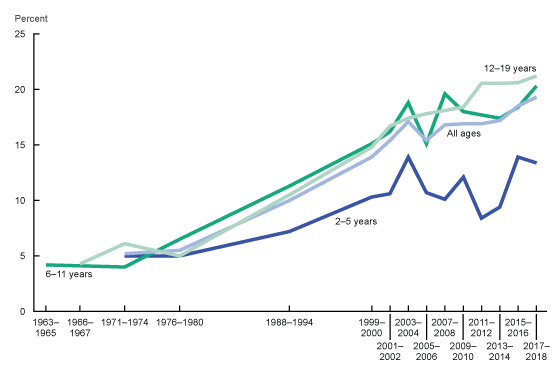
According to the most recent data from the Centers for Disease Control and Prevention (CDC) covering the 2021-2023 period, the prevalence of obesity among young people in the United States, aged 2 to 19 years, has reached 21.1%.
This means that more than one in five children and adolescents nationwide are currently struggling with obesity. What is even more alarming is the trend: this prevalence has climbed from 13.9% at the start of the century. This is not just a statistical increase; it represents millions of young lives at risk for serious long-term health issues, including type 2 diabetes, high blood pressure, and cardiovascular disease—conditions once rarely seen until adulthood.
The Severe Obesity Crisis
Beyond the overall rate, we are witnessing a disturbing increase in the most severe categories. Over the same period (2021-2023), the prevalence of severe obesity among this age group has risen dramatically to 7.0%. This is nearly double the rate from just a decade ago. Severe obesity significantly increases the risk for complex complications, often requiring more intensive medical intervention and posing a profound challenge to long-term health.
To better visualize this alarming increase over the last two decades, I have included a graph showing the overall trend:
Chart: Rising Prevalence of Childhood Obesity in the U.S. (Ages 2-19)
Opens in a new window www.cdc.gov
These numbers are a clear message: focusing on holistic, preventative care is more critical now than ever before. We must act proactively.
The Four Pillars of Holistic Childhood Health
I simplify the complexity of weight management into four interconnected pillars. Think of these as the foundation of your child’s health. If any one pillar is neglected, the entire structure becomes unstable.
Pillar 1: Nutrition as Intentional Fuel
In our busy lives, food can become a default comfort or convenience. I encourage my families to shift their perspective: food is intentional fuel for a developing mind and body. The most powerful changes start in your kitchen, not the doctor’s office.
Taking Control of the Food Environment
- Prioritize Whole, Unprocessed Foods: This means stocking your pantry with fruits, vegetables, whole grains, and lean proteins. These foods provide the necessary fiber and nutrients to support steady growth and sustained energy without the rapid spikes and crashes caused by highly processed items.
- The Sugar Takedown: The single most effective dietary change you can make is limiting sugary drinks. Soda, sports drinks, and sweetened juices are major contributors of empty calories. Make water and low-fat milk the primary beverages in your home. For example, instead of a pre-packaged snack cake, try a serving of Greek yogurt with fresh berries.
- Practice Mindful Eating: Encourage your child to pay attention to their body’s hunger and fullness cues. This teaches them self-regulation. Start meals with smaller portions and ask, “Are you still hungry?” rather than pushing them to “clean their plate.” Turning off screens during mealtimes is essential for this practice.
Pillar 2: Making Movement a Daily Habit
For children, physical activity should be synonymous with play and exploration, not burdensome exercise. Children need at least 60 minutes of moderate-to-vigorous physical activity every day.
Balancing Screen Time with Active Time
The amount of time children spend seated—whether for school or entertainment—directly impacts their metabolic health. The American Academy of Pediatrics (AAP) stresses the need to strictly limit recreational screen time. Instead, implement “Active Breaks.” For every hour of screen time, encourage a 10-minute movement break.
Make movement a family value by incorporating it into your routine:
- Instead of driving short distances, walk or bike to nearby activities.
- Plan weekend outings to local parks or trails where running and exploring are natural. Beverly Hills is close to fantastic hiking spots; take advantage of them!
- Institute family challenge games, like setting a timer for $15$ minutes of intense backyard play or a spontaneous family dance-off.
Pillar 3: The Critical Role of Quality Sleep
The link between sleep and weight regulation is profound and scientifically proven, yet often overlooked.
A crucial scientific fact is that inadequate or poor-quality sleep disrupts the balance of the two primary appetite-regulating hormones: ghrelin and leptin. When a child is sleep-deprived, their body produces more ghrelin (the hormone that signals hunger and stimulates appetite) and less leptin (the hormone that signals satiety, or fullness). This hormonal imbalance not only increases hunger but also causes the child to crave high-calorie, high-sugar foods, leading directly to overconsumption and weight gain.
Children aged 6–12 years need $9–12$ hours of sleep, and teenagers need $8–10$ hours. Establishing a consistent, screen-free bedtime routine is a powerful, non-food-related strategy for preventing obesity. Ensure all electronic devices are out of the bedroom at least one hour before the designated sleep time.
Pillar 4: Nurturing Emotional Well-being
Holistic health means addressing the whole child. For many children, especially adolescents, food becomes a way to cope with stress, boredom, or anxiety—a pattern known as emotional eating.
Fostering Resilience and Healthy Coping
It is my job, and yours, to help children develop non-food strategies for handling big emotions.
- Teach Emotional Literacy: Help your child identify the feeling—”Are you bored, tired, or upset?”—before they reach for a snack. Encourage them to articulate what they are experiencing.
- Offer Alternative Comforts: When a child is distressed, offer a comforting activity: a hug, quiet reading time, a puzzle, or physical play, rather than a caloric treat.
- Model Self-Care: Show your child how you handle stress—by exercising, talking, or engaging in a hobby—not by overeating. You are their most important role model.
Partnership and Resources
Transitioning your family to a healthier lifestyle is a journey, and you don’t have to do it alone. Start small by choosing one pillar to focus on this week, whether it’s reducing sugary drinks or improving bedtime consistency.
High Authority Resources
For families seeking reliable, expert-vetted information, I recommend resources from institutions dedicated to pediatric and public health:
- American Academy of Pediatrics (AAP): The AAP offers comprehensive, easy-to-understand resources on healthy weight, screen time limits, and sleep guidelines for children of all ages. Their policies are based on the latest medical science. Visit the AAP’s Healthy Weight Section: American Academy of Pediatrics Healthy Weight.
- Harvard T.H. Chan School of Public Health – The Nutrition Source: This is an outstanding, unbiased resource for learning about optimal food choices, portion control, and creating a truly healthy plate. Explore the Healthy Eating Plate guide: Harvard T.H. Chan School of Public Health Nutrition.
As your dedicated pediatrician, I am here to provide a personalized, non-judgmental approach to your child’s health. We will review growth trends, discuss your family’s specific challenges, and build a customized action plan that works for your lifestyle.
To begin or continue your child’s holistic health journey with me, please visit my home page to schedule a comprehensive wellness consultation: BeverlyHillsPediatrician.com. Together, we can ensure your child’s health is built on the strongest foundation.
