
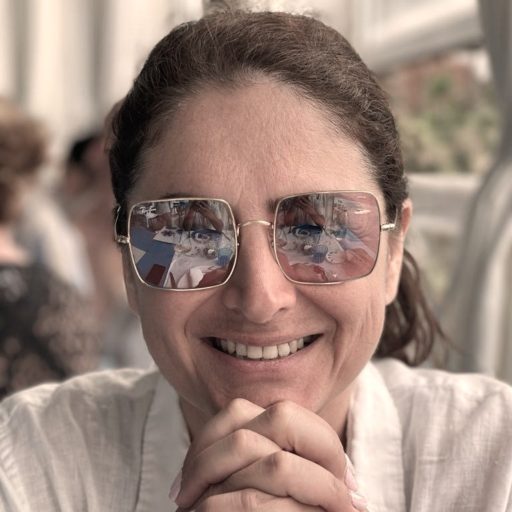
As a pediatrician, I have the privilege of watching families grow. I see infants turn into toddlers, and toddlers grow into school-aged children. Throughout this journey, one of the most common and important conversations I have with parents revolves around protecting their children from preventable diseases. We all want what is best for our kids. We want them to be safe, healthy, and resilient. However, I also understand that for many parents, the standard path to immunization can feel overwhelming.
In my practice, I believe in building a partnership with parents. I listen to your concerns, answer your questions without judgment, and work with you to create a healthcare plan that aligns with medical science while respecting your family’s needs. This is where the concept of a customized vaccination schedule comes into play. It is a topic that requires nuance, expertise, and a relationship built on trust.
Understanding the Standard Approach
Before we dive into customization, it is helpful to understand the standard guidelines. The Centers for Disease Control and Prevention (CDC) and the American Academy of Pediatrics (AAP) have developed a recommended timeline for immunizations. This timeline is designed to provide protection when children are most vulnerable to specific diseases. It is based on decades of research and is constantly reviewed by medical experts.
For the vast majority of children, following this standard roadmap is the most effective way to build immunity. It ensures that babies are protected before they are exposed to dangerous bacteria or viruses. For example, we give the pertussis (whooping cough) vaccine early because that disease can be incredibly dangerous for young infants.
However, medicine is not always one-size-fits-all. While the standard schedule is the “gold standard” for public health, there are individual situations where we might need to adjust the timing. This is where a customized approach becomes a valuable tool in our pediatric toolkit.
Why Consider a Customized Vaccination Schedule?
You might be wondering why a family would choose to alter the standard timing. In my experience, there are several valid reasons why we might look at a customized vaccination schedule.
1. Catch-Up Needs
Sometimes, life happens. A family might move internationally, a child might have had a medical condition that delayed shots, or appointments were missed due to external factors like the recent pandemic. In these cases, we aren’t just customizing for preference; we are customizing for necessity. We have to look at what the child has received and figure out the safest, fastest way to get them fully protected. This is often called a “catch-up schedule.”
2. Medical History and Sensitivity
Every child is biologically unique. While rare, some children may have specific medical histories or reactions that require us to space out injections. As your doctor, my priority is safety. If there is a medical indication to slow down or adjust the timing, we will do exactly that.
3. Parental Anxiety and Hesitancy
This is the most common reason parents ask me about alternative schedules. I know there is a lot of information—and misinformation—online. It can be scary to navigate. Some parents worry about the number of shots given at one visit. While the science tells us that a baby’s immune system is incredibly strong and can handle multiple antigens at once, I respect that parents need to feel comfortable.
If the choice is between a family skipping vaccines entirely due to fear, or working together on a slower, customized schedule that eventually leads to full protection, I will always choose the latter. My goal is to keep the door open and keep the conversation going.
The Pillars of Our Approach: Safety and Evidence
When we talk about customizing a vaccination schedule, it is crucial to understand that we are not making things up as we go. We are still strictly adhering to evidence-based medicine. “Customized” does not mean “random.”
There are specific rules regarding the minimum intervals between doses. For example, if a vaccine requires three doses, we cannot give them too close together, or the body won’t build a proper memory of the virus. We also cannot wait too long for certain shots without leaving the child vulnerable.
Here is a significant data point to consider: According to the World Health Organization (WHO), vaccines prevent between 3.5 and 5 million deaths every single year from diseases like diphtheria, tetanus, pertussis, influenza, and measles. This statistic drives everything I do. Whether we follow the standard path or a slightly adjusted one, the ultimate goal is to ensure your child contributes to that life-saving statistic.
When I design a plan for your child, I consult the “catch-up” guidelines provided by the CDC and the Advisory Committee on Immunization Practices (ACIP). We ensure that:
- We never violate the minimum age requirements for a vaccine.
- We strictly follow the minimum spacing between doses to ensure efficacy.
- We prioritize protection against diseases that pose the most immediate risk to your child’s age group.
A Private, No-Judgment Zone
One of the biggest barriers to healthcare is the fear of being judged. I have met many parents who were afraid to visit a pediatrician because they had fallen behind on shots or were skeptical about certain mandates. They feared a lecture.
In my office, privacy and respect are paramount. Your family’s medical decisions are discussed in the privacy of the exam room. If you have questions about ingredients, side effects, or the necessity of a specific shot, we discuss them openly. I am here to provide you with the facts, not to pressure you.
When we build a customized vaccination schedule, it is a private agreement between doctor and patient. We map it out together. We might decide to do two injections per visit instead of four, requiring more frequent visits but less anxiety for the parent or child. We track the progress meticulously to ensure nothing falls through the cracks.
The Science of the Immune System
To feel confident in any schedule, it helps to understand a little bit about how vaccines work. Think of a vaccine as a training simulation for the body. We introduce a harmless piece of a virus or bacteria (or a set of instructions for it) to the immune system. The body’s defense system recognizes it as foreign and produces antibodies.
These antibodies are like soldiers specifically trained to fight that one enemy. Once the “training” is over, the body keeps a memory of what the enemy looks like. If your child is ever exposed to the real disease in the wild, their immune system recognizes it instantly and neutralizes it before it can cause harm.
Some parents worry that giving multiple vaccines might “overload” the immune system. I like to remind parents that from the moment a baby is born, they are exposed to thousands of antigens (germs) every day—from the air they breathe, the toys they chew on, and the floor they crawl on. The antigens in vaccines are a tiny drop in the bucket compared to what they encounter naturally. However, if spacing them out helps you feel more confident in the process, that is a strategy we can employ, provided we understand the risks of delaying protection.
Navigating School Requirements
Another practical aspect we manage together is school and daycare entry requirements. In California, and many other places, there are strict laws regarding immunization for school entry. This is to ensure the safety of all children in the classroom, especially those who cannot be vaccinated due to medical issues (like children undergoing chemotherapy).
If we are on a customized vaccination schedule, we need to be very strategic. We need to ensure that by the time your child enters kindergarten or 7th grade, they have met the necessary criteria. I help parents plan ahead so there are no surprises when it comes time for registration.
Here is another interesting data point: The CDC noted that for the 2022-2023 school year, coverage for all required vaccines among kindergartners remained near 93%. This high level of coverage is what creates “herd immunity,” protecting the entire community. When we customize your child’s schedule, we are aiming to get them into that protected group safely and efficiently.
What to Expect During Our Consultation
If you are interested in discussing a personalized approach, here is what that appointment looks like with me:
- Review of History: We look at any past records. If you are transferring from another practice or moving from another country, I will translate those records into our current system.
- Open Dialogue: You tell me your concerns. Are you worried about fever? Local reactions? Specific ingredients? We address each one with current medical data.
- Risk Assessment: We look at your lifestyle. Do you travel internationally? Do you have immunocompromised family members? Does your child go to a large daycare? These factors influence which vaccines we prioritize.
- The Plan: We write it down. We create a calendar that shows exactly when you need to return. This reduces the mental load on you.
- Monitoring: After vaccinations, we are available. If your child has a reaction, even a mild one, we want to know. This helps us adjust future appointments if necessary.
The Role of Trust in Pediatrics
Pediatrics is unique because I am treating the child, but I am also treating the parents’ peace of mind. A stressed, anxious parent often leads to a stressed child. By offering a flexible, evidence-based approach to the vaccination schedule, I hope to lower that anxiety.
It is important to find a high-authority source for your research. I often refer my patients to the CDC’s Resources for Parents. It provides clear, easy-to-read information about why we vaccinate and the safety protocols in place.
There is a lot of noise in the world right now. It is easy to feel judged or isolated if you have questions about standard medical procedures. I want to assure you that my office is a safe harbor. My primary job is to be an advocate for your child’s health, and I believe the best way to do that is by keeping you involved, informed, and comfortable with the care plan.
Moving Forward Together
Ultimately, we are on the same team. We both want your child to grow up without the burden of preventable illnesses like polio, measles, or meningitis. These diseases may seem like things of the past, but they are only held at bay by consistent immunization.
Whether we take the highway (the standard schedule) or the scenic route (a customized schedule), the destination remains the same: a fully protected, healthy child. I am willing to take the time to walk that path with you.
If you have fallen behind, or if you are a new parent feeling uncertain about the standard timeline, please come in and see me. We can sit down, look at the evidence, and design a plan that works for your family. Your child’s health is too important to leave to chance, and your peace of mind is too important to ignore. Let’s build a future of health, safety, and trust, one step at a time.
