
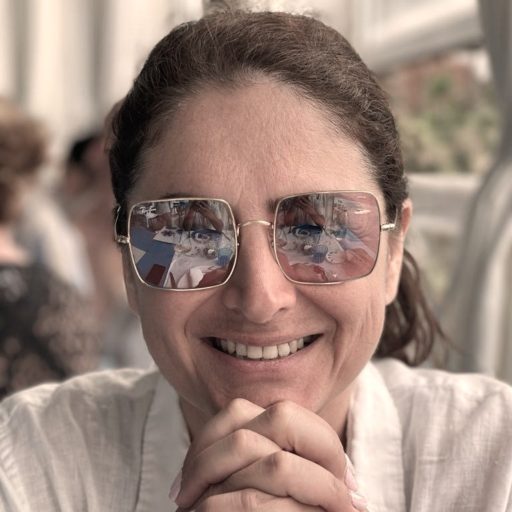
Hi there! I am Dr. Anita Sabeti. If you live in Los Angeles, you know that our city is famous for two things: beautiful weather and terrible traffic. As a parent, the last thing you want to do when you have a sick child—or even a healthy newborn—is strap them into a car seat and sit on the 405 freeway for an hour. Then, once you finally arrive at the doctor’s office, you often have to sit in a waiting room filled with other coughing and sneezing kids.
I believe there is a better way to handle healthcare. This is why I offer pediatric home visits los angeles families can rely on. It brings the doctor’s office directly to your living room. But if you have never had a doctor come to your house before, you might be wondering how it actually works. Is it weird? Do you need to prepare anything? Does the doctor bring all the equipment?
Today, I want to walk you through exactly what happens during a house call. I want to take the mystery out of it so you can see just how relaxing and helpful this experience can be for you and your little ones.
The Arrival: No Waiting Rooms, No Stress
The biggest difference between a clinic visit and a home visit starts before the appointment even begins. In a traditional setting, your appointment might be at 10:00 AM, but you might not see the doctor until 10:45 AM. During that time, you are trying to keep your child entertained and away from germs.
When I come for a home visit, the process is completely different. I arrive at your scheduled time. There is no waiting room. There are no forms to fill out on a clipboard while balancing a baby on your hip. I knock on your door, and we get started right away in the comfort of your own home.
Usually, the first few minutes are just about settling in. I wash my hands thoroughly, put on my protective gear, and say hello to your child. Because we are in their safe space—their home—children are usually much calmer. They can show me their favorite toys or introduce me to their pets. This helps build trust immediately. Instead of being the scary doctor in a white coat, I am just a guest who is there to help.
What’s in the Bag? Bringing the Clinic to You
One of the most common questions I get is, “Dr. Sabeti, do you have everything you need with you?” The answer is yes. When I perform pediatric home visits los angeles parents are often surprised by how much medical equipment fits into my bag. It is essentially a mobile pediatric office.
Here is a list of things I typically bring with me:
- Diagnostic Tools: This includes my stethoscope, otoscope (to look in ears), and ophthalmoscope (for eyes).
- Vital Sign Monitors: I have equipment to check blood pressure, oxygen levels, and temperature.
- Testing Kits: If your child has a sore throat or flu symptoms, I can perform rapid strep tests, flu tests, and even RSV tests right at your kitchen table.
- Vaccines: I carry a cooler with temperature controls to bring necessary immunizations for well-child checks.
- Scale and Measuring Mat: For babies, I bring a specialized scale to track their weight gain accurately.
You do not need to provide anything medical. All I usually need is a clean surface, like a bed, a sofa, or a changing table, and good lighting. If the lighting is dim, I have my own medical lights to ensure I see everything clearly.
The Exam: Gentle and Thorough
Once we are settled, I begin the physical examination. This is the core of the visit, but it feels much less clinical than an office visit. If your child is a toddler and wants to sit on your lap the whole time, that is perfectly fine. If they feel safer lying on their own bed, we do the exam there.
For Newborns and Infants
For my tiniest patients, home visits are a lifesaver. I will weigh your baby, measure their length, and check their head circumference. I listen to their heart and lungs, check their hips, and examine their reflexes. Because we are at home, you can breastfeed or bottle-feed the baby during parts of the exam to keep them calm. This is very hard to do in a rush at a clinic.
We also have plenty of time to discuss feeding. I can watch how the baby latches or takes the bottle and offer tips on breastfeeding or formula. We discuss sleep patterns, diaper changes, and any little worries you might have. You never have to feel like you are asking “dumb questions” because we have the time to talk through everything.
For Toddlers and Older Children
Older kids can be a bit more apprehensive about doctors. Being at home changes the power dynamic. They feel more in control. I might check their ears while they are watching their favorite cartoon. I might listen to their heart while they hold their favorite stuffed animal (and I’ll listen to the stuffed animal’s heart, too!).
If the visit is for an illness, I will check their throat, listen to their breathing, and feel their tummy. If we need to do a swab for strep or flu, being in a familiar environment helps reduce the tears. If the result is positive, I can call in a prescription to your local pharmacy immediately.
Developmental Screenings and Milestones
Health is not just about not being sick; it is about growing and thriving. During pediatric home visits los angeles parents appreciate the deep dive we take into development. I am not just checking if your child is growing physically; I am looking at how they interact with the world.
In a clinic, a child might be shy and refuse to talk or walk. At home, I get to see them in their natural element. I can see how they climb on the sofa, how they play with their blocks, and how they communicate with you. This gives me a much more accurate picture of their developmental milestones.
We will discuss:
- Motor Skills: Crawling, walking, running, and grasping small objects.
- Speech and Language: How many words they say and how they understand commands.
- Social Skills: Eye contact, smiling, and playing with others.
- Behavior: Tantrums, sleep issues, and potty training.
Seeing the home environment also allows me to give specific safety advice. If I see a staircase that needs a gate or a bookshelf that isn’t anchored, I can point it out gently. This adds a layer of safety that an office doctor simply cannot provide.
The Power of Time and Connection
Perhaps the most valuable part of a home visit is the conversation. In the current healthcare system, doctors are often forced to see a patient every 15 minutes. That is barely enough time to say hello, check the ears, and sign a form. It leaves very little room for connection.
When I visit you, I am not watching the clock. I am there to answer every question you have. We can talk about nutrition, school stress, allergies, or sleep training. I get to know the whole family. I often see siblings during the same visit, which saves you multiple trips. This relationship helps me take better care of your children because I understand the context of their lives.
For more information on the importance of consistent pediatric care and what to expect at different ages, I recommend reading this article from HealthyChildren.org. It is a fantastic resource from the American Academy of Pediatrics that aligns with the care I provide.
Comparison: Clinic vs. Home Visit
To give you a clear picture of how different this experience is, I have put together a chart comparing a standard clinic visit to the home visit experience I provide.
| Feature | Traditional Clinic Visit | Pediatric Home Visit |
|---|---|---|
| Travel Time | High (Traffic + Parking) | Zero (I come to you) |
| Waiting Room | Exposure to other sick kids | None (Stay in your clean home) |
| Appointment Length | Usually 10-15 minutes | 30-60 minutes (Unhurried) |
| Child’s Comfort | Often anxious/scared | Relaxed in familiar surroundings |
| Convenience | Disrupts work/school schedule | Fits into your family’s life |
| Doctor Access | Limited to office hours | Direct access via text/phone often included |
Sick Visits: Managing Illness at Home
While well-checks are great, sick visits are where home care truly shines. When your child has a high fever, is vomiting, or has a nasty cough, taking them outside is miserable. It exposes them to the elements and exposes other people to their germs.
During a sick visit at home, your child can stay in their pajamas. I can examine them right in their bed. If they are dehydrated, I can assess them immediately. In some cases, if allowed and necessary, we can even administer treatments or medications on-site to help them feel better faster.
Most importantly, I can give you a care plan that is realistic for your home setup. I can look at your medicine cabinet and tell you exactly which fever reducer to use and verify the dosage right there. This prevents medication errors and gives you peace of mind.
Germ Avoidance and Safety
In a post-pandemic world, we are all more conscious of germs. Pediatric offices do their best to clean, but they are high-traffic areas. Sick children touch the doorknobs, the chairs, and the toys in the waiting area. For a newborn baby with an undeveloped immune system, or a child who is immunocompromised, this is a risk many parents prefer to avoid.
With pediatric home visits los angeles parents can rest easy knowing their child is not being exposed to other patients. I adhere to strict hygiene protocols. I sanitize my equipment before entering your home and use protective gear as needed. This significantly lowers the risk of your child catching a secondary infection while trying to get care for something else.
Building a Long-Term Partnership
Ultimately, a home visit is about building a partnership. I am not just a doctor you see once a year; I become a part of your village. I celebrate your child’s victories, like their first steps or doing well on a test, and I am there to support you through the scary moments of high fevers and bumps on the head.
This continuity of care is vital. When a doctor knows a child well, they can spot when something is “off” much faster than a doctor who is seeing the child for the first time. I know what your child looks like when they are healthy, so I can better judge when they are sick.
Choosing this path for your family means choosing peace of mind. It means reclaiming your time and prioritizing your child’s comfort. It transforms healthcare from a chore into a supportive, positive experience. If you are tired of the traffic and the waiting rooms, it might be time to try a different approach. I am here to help your family thrive, right where you belong—at home.
