
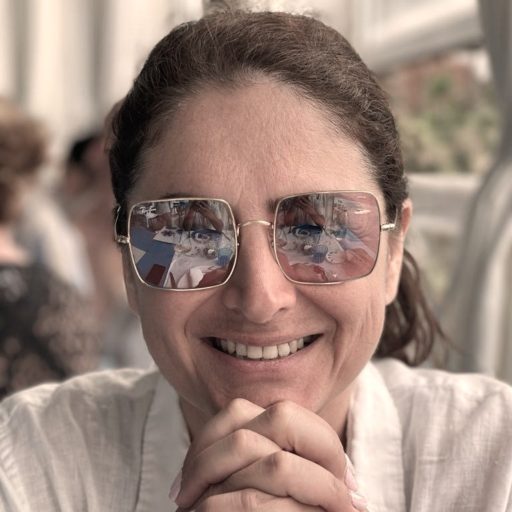
Every time a new family walks into my office, I see a blank canvas full of potential. As a pediatrician, I know that no two children are exactly alike. They have different smiles, different personalities, and most importantly, different health needs. This is why I believe so strongly that “one-size-fits-all” medicine simply does not work for our kids. Instead, I focus on creating a personalized pediatric health plan designed specifically for your child’s unique biology, lifestyle, and environment.
You might be wondering what exactly goes into this kind of plan. It is more than just checking height and weight or giving vaccinations on a schedule. It is about understanding the whole picture of who your child is and who they are growing up to be. My goal is to partner with you to build a roadmap that ensures your child doesn’t just survive, but truly thrives.
Understanding Your Child as an Individual
The first step in our journey together is moving beyond the standard checklist. When you bring your child to see me, I look at them as a unique individual. A personalized pediatric health plan starts with listening. I want to hear your observations, your concerns, and your family stories. You know your child better than anyone else, and your insight is the most valuable tool I have.
We look at genetics, sure, but we also look at environment. Does your child love sports, or do they prefer reading? Are they a picky eater? Do they have trouble sleeping before a big test? All of these little details help me construct a health profile that allows us to predict potential issues before they become problems.
The Pillars of My Personalized Approach
When I design a health plan, I focus on several key pillars. These are the foundation blocks that support your child’s growth from infancy through their teenage years.
1. Nutrition That Fits Your Family
Nutrition is fuel, but every engine runs a little differently. Some children have sensitivities to dairy or gluten, while others need extra protein because they are competitive athletes. I don’t believe in handing out a generic food pyramid flyer and sending you on your way. We discuss what your family actually eats.
If you are a vegetarian family, we ensure your child gets enough iron and B12. If you are a busy family always on the go, we strategize healthy snacks that are easy to pack. Creating a personalized pediatric health plan means finding a diet that is realistic for your lifestyle while providing optimal nutrition for development.
2. Sleep and Mental Wellbeing
Sleep is when the brain grows and the body repairs itself. However, sleep needs change drastically from the toddler years to high school. I help track your child’s sleep patterns to identify issues like sleep apnea or insomnia early on.
Mental health is just as important as physical health. By building a relationship with your child over time, I can notice subtle changes in their mood or behavior. Whether it is anxiety about school or social struggles, addressing these emotions early is a vital part of the plan.
3. Preventive Care and Immunity
While vaccinations are a standard part of pediatric care, the way we approach immunity can be tailored. We discuss your travel plans, your child’s exposure to other kids, and underlying health conditions to ensure they have the best protection possible. We also focus on “lifestyle immunity”—using exercise and stress management to keep the immune system strong naturally.
A Visual Guide: Standard vs. Personalized Care
To help you understand the difference in my approach, I have created a chart that compares a standard medical visit to the experience of building a personalized plan with me.
| Feature | Standard Pediatric Care | My Personalized Health Plan |
|---|---|---|
| Focus | Treating sickness when it happens. | Preventing sickness and optimizing wellness. |
| Time Spent | Quick 10-15 minute visits. | In-depth discussions about lifestyle and goals. |
| Nutrition | General advice (e.g., “Eat more veggies”). | Specific dietary strategies based on biology and habits. |
| Milestones | Checking boxes on a standard chart. | Tracking individual growth trends and behavioral context. |
| Parent Role | Observer. | Active partner and collaborator. |
Developmental Monitoring: Watching Them Grow
Growth isn’t just a straight line up a chart. Children grow in spurts, and they develop skills at different rates. In a standard setting, if a child isn’t walking by a certain month, it might trigger immediate alarm. In my practice, because I know the whole picture—perhaps your child was born a little early or is focusing intensely on talking instead of walking—we can approach milestones with patience and precision.
A personalized pediatric health plan involves “surveillance.” This means I am constantly watching for subtle signs of developmental delays or exceptional gifts. If your child is showing signs of being advanced in certain areas, we talk about how to nurture that. If there are delays, we catch them early and intervene when the brain is most adaptable.
For more information on why tracking these developmental milestones is so critical, the American Academy of Pediatrics offers excellent resources on the importance of well-child visits and consistent monitoring.
Tailoring Care by Age Group
Your child’s needs change rapidly. The plan we create when they are two years old will look completely different when they are twelve. Here is how I adapt our strategy through the years.
Infants and Toddlers
In these early years, the focus is heavily on the immune system, gut health, and sensory development. We talk a lot about your home environment. Are there allergens? How is the family dynamic affecting the baby’s stress levels? We work on establishing healthy sleep routines that save your sanity and help the baby grow.
School-Age Children
Once school starts, our focus shifts slightly. We look at concentration, energy levels, and social interaction. If a child is struggling to focus, we don’t jump straight to medication. We look at the personalized plan: Is there a nutritional deficiency? Is there a sleep issue? Is there a vision problem? We investigate the root cause.
Teenagers
Adolescence is a complex time. My role shifts to becoming a trusted advisor for your teen. We focus on hormonal health, skin care (acne is often a sign of internal inflammation), and emotional resilience. This is where the trust we have built over the years pays off, allowing us to have honest conversations about risky behaviors and mental health.
The Role of Genetics and Family History
We cannot change the genes your child inherited, but we can influence how those genes express themselves. This is a concept called epigenetics. By understanding your family history—whether it is a history of heart disease, diabetes, or allergies—we can tweak your child’s environment to lower their risks.
For example, if I know there is a strong history of Type 2 diabetes in the family, I won’t just wait for high blood sugar to appear. We will build a personalized pediatric health plan that emphasizes low-glycemic foods and specific types of physical activity from a young age. We are playing defense against genetic risks before they ever have a chance to score.
Collaborating with Specialists
Sometimes, a personalized plan requires a village. If your child needs a specialist—like an allergist, an orthopedist, or a therapist—I act as the quarterback of the team. I ensure that the specialist understands the full picture of your child, not just the one body part they are treating.
I review their findings and integrate them into our master plan. This prevents fragmented care where one doctor prescribes something that conflicts with another. It ensures that every medical decision supports the overall goal of your child’s long-term wellness.
Technology and Modern Tools
In my practice, I utilize modern tools to keep our plan on track. This might include digital apps to track diet or symptoms, or telemedicine check-ins for when you have a quick question but don’t need a full office visit. Technology allows us to stay connected. It makes the health plan a “living document” that evolves in real-time, rather than a static file that sits in a cabinet.
However, technology never replaces the human touch. The data gives us clues, but sitting down with you and your child gives me the answers. We use these tools to enhance our connection, not replace it.
Empowering You as Parents
Perhaps the most important part of this process is education. I want you to leave my office feeling confident. When you understand why we are making certain dietary changes or why we are delaying a certain activity, you become an empowered advocate for your child.
A personalized pediatric health plan is not a set of orders from a doctor; it is a collaborative strategy. I provide the medical expertise, and you provide the daily love and care. Together, we make an unbeatable team.
Your Child’s Future Starts Now
Investing time in a customized health strategy today pays dividends for decades. We are building the foundation for a healthy adulthood. By addressing small imbalances now, fostering good habits, and understanding your child’s unique physiological makeup, we are setting them up for a life of vitality and success.
I am honored to be a part of your family’s journey. Seeing your child grow, overcome challenges, and blossom into a healthy young adult is the greatest reward I can ask for. Let us work together to create a plan that honors your child’s uniqueness and protects their future.
